Solar Panels on Your Roof? Here’s What Contractors Check Before They Say Yes
Thinking about rooftop solar? Learn the simple, practical checks contractors do first—roof condition, shading, electrical capacity, permits, and real-life costs.
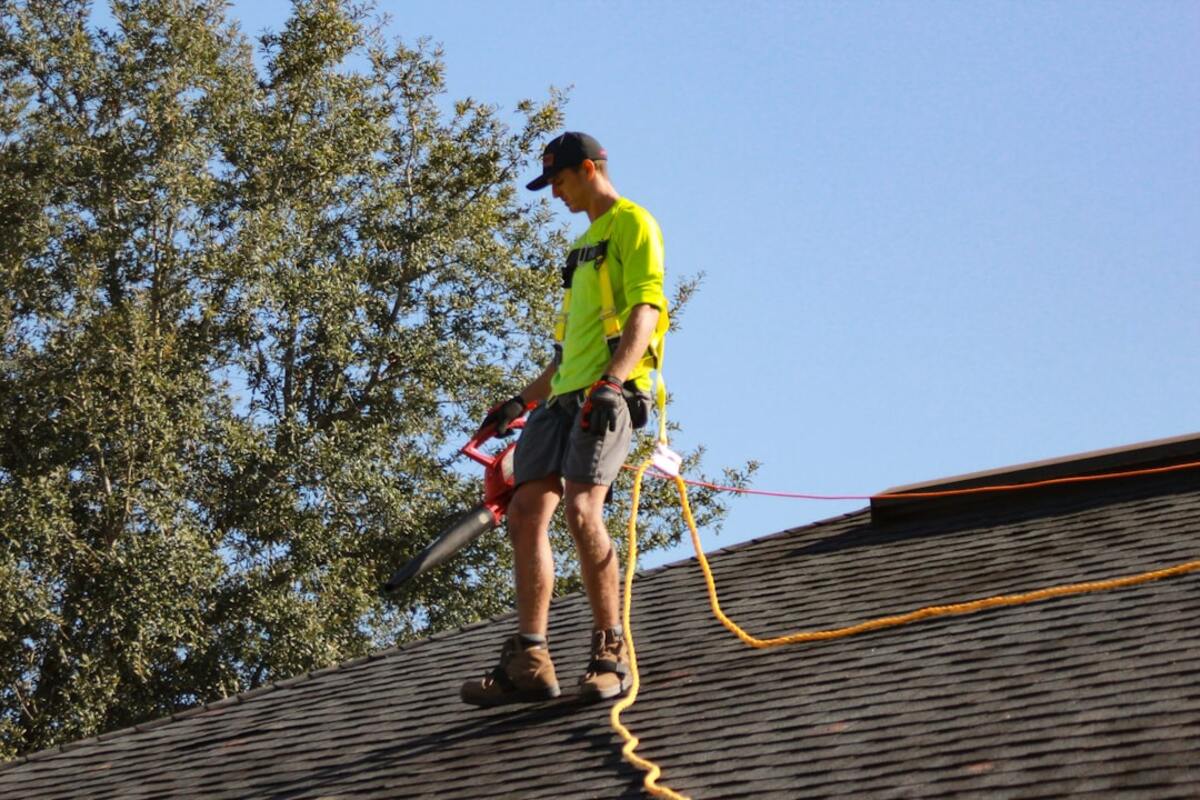
- Most “solar problems” are really roof, shade, or electrical-panel problems—contractors check those before talking panels.
- A good installer maps shading, verifies roof structure, and confirms your panel can handle a new solar circuit (often with a disconnect).
- Quotes vary because of equipment, roof complexity, and permitting—ask for an itemized scope so you can compare apples to apples.
Why rooftop solar isn’t just “bolt on some panels”
Rooftop solar looks simple from the street: dark rectangles, maybe a small conduit, and suddenly your electric meter spins a little slower. But from a contractor’s point of view, a solar install is a three-part project: roofing, electrical, and local rules. If any one of those parts is weak, the whole plan gets expensive—or gets rejected.
Think of solar like adding a new “appliance” that happens to live on your roof. It has to be mounted securely, connected safely, inspected, and designed to work with how your home actually uses power. That’s why reputable contractors start with a quick set of practical checks that answer one basic question: Is this roof a good place for a small power plant?
Here’s a real-life scenario: You get an online quote that promises a low monthly payment, then an installer visits and suddenly the price jumps. Often the “surprise” isn’t a scam—it’s the moment the contractor notices your roof is near the end of its life, your main panel is full, or the best roof plane is shaded by a big tree after 2 p.m. The early checks are designed to catch those issues before anyone signs anything.

The contractor’s first walkthrough: roof, shade, structure, and layout
Most solar visits start outside, looking up. Contractors are trying to figure out whether your roof can carry the system safely and whether the sun will actually hit the panels enough to make the math work.
1) Roof age and condition
If your shingles are curling, brittle, missing, or the roof is 15–25 years old (depending on material), a contractor may recommend replacing the roof before installing solar. Why? Solar panels can last 25–30 years. If your roof needs replacement halfway through, you’ll pay to remove and reinstall the system. That “double labor” can erase a lot of savings.
Simple analogy: Putting solar on an aging roof is like installing a brand-new engine in a car with a rusted frame. The engine might be great, but you’re still going to face a major teardown sooner than you want.
2) Roof shape and usable space
Contractors look for large, uninterrupted areas. Vents, skylights, chimneys, and valleys reduce usable space and can force a smaller system or a more complex layout. South-facing roof planes are often ideal in the Northern Hemisphere, but east/west layouts can still be worthwhile depending on your rate plan and usage patterns.
3) Shading (the quiet budget-killer)
Shade is one of the biggest reasons solar underperforms. Installers often take shade measurements or use tools/software to estimate sun exposure across the year. Trees, dormers, neighboring buildings, and even roof features can cast shadows.
Shading doesn’t always mean “no solar.” It may mean using microinverters/optimizers, shifting panels, trimming trees (where allowed), or accepting a smaller output. The key is that contractors want the design to match reality—not a sunny mental picture from July.
4) Structural checks: can the roof carry it?
Most homes can handle the extra weight, but contractors still consider rafter size, spacing, roof material, and any signs of sagging or water damage. Some jurisdictions require structural engineering sign-off for certain setups. If your home has older framing or prior repairs, the contractor may recommend reinforcement or an engineer’s letter.
| What the contractor checks | Why it matters | What you can do before a quote |
|---|---|---|
| Roof age & condition | Avoid paying to remove/reinstall panels for a future re-roof | Find your roof paperwork or estimate age; note any leaks |
| Shade throughout the day | Directly affects how much energy you’ll actually generate | Watch where shadows fall morning vs. afternoon; note big trees |
| Roof layout (vents/skylights) | Determines how many panels fit and where wiring runs | Take clear roof photos from the yard (safely) for early estimates |
| Structure (rafters/decking) | Safety, code compliance, and long-term roof integrity | Check attic for obvious damage; mention any prior roof work |
5) Where the equipment will go
Even if panels are the most visible part, contractors also plan for inverters (or microinverters), shutoff/disconnect equipment, and the path for conduit. They’ll look for a clean, code-compliant route from roof to electrical panel that doesn’t look like a science project strapped to your siding.
If you care about aesthetics, this is the moment to speak up. Many homeowners don’t realize they can ask for conduit runs on the backside of the house or a tighter path—sometimes it’s possible, sometimes not, but it’s worth discussing early.
The electrical reality check: your panel, your meter, and your utility’s rules
If the roof is the “stage,” the electrical system is the “sound system.” You can have the best performers (panels) in the world, but if the wiring, panel capacity, and safety devices aren’t right, the show doesn’t happen.
1) Main service panel capacity and space
One of the first indoor stops is usually your main electrical panel. Contractors check:
- Amperage rating (commonly 100A, 150A, 200A): this influences how much solar can be tied in under code rules.
- Breaker spaces: you may simply be out of room.
- Panel condition: corrosion, overheating marks, messy wiring, or outdated/unsupported brands can trigger a required replacement.
Homeowners sometimes assume solar is “free electricity,” but a panel upgrade can be a real line item. It’s not necessarily a deal-breaker—it’s just part of making the system safe and legal.
2) The interconnection method (how solar ties into the house)
Your contractor chooses a code-compliant method to connect solar. A common approach is a breaker in your main panel, but depending on your panel size and local rules, they may propose a supply-side tap or a line-side connection. The details matter because they influence cost, inspection complexity, and whether you need new equipment.
3) Rapid shutdown and safety requirements
Modern codes typically require rapid shutdown capabilities so firefighters and technicians can reduce voltage on roof conductors quickly. Contractors plan for this from the beginning because it affects equipment selection and wiring layout.
4) Metering and utility permissions
Even if you own the panels, your utility controls the grid connection. Contractors handle (or guide you through) applications for interconnection, which may involve:
- Permission to operate (PTO)
- Net metering or a similar credit system (varies by location)
- Potential transformer upgrades or meter swaps
- Limits on system size based on transformer capacity or local grid constraints
A common homeowner frustration is timing: the install may be done, but you’re waiting on approvals. A good contractor sets expectations and includes the utility steps in the project plan, not as an afterthought.
Not always. Contractors usually recommend it when the roof is near end-of-life, has active leaks, or would be hard to re-roof without removing panels. The goal is to avoid paying twice.
Underestimating shade and overestimating production. That’s why reputable contractors measure shading and build a design around real sun exposure, not just roof size.
Standard grid-tied solar shuts off during outages for safety. If you want backup power, you typically need a battery system (or a special backup setup) designed for islanding.
5) “Should I add a battery?” (the question contractors hear constantly)
Many homeowners picture solar as a blackout solution. In reality, grid-tied solar systems usually shut down during outages to protect line workers. If backup power is a priority, contractors will discuss batteries, critical-load subpanels, and what you actually want to run (fridge? lights? well pump? internet?).
A helpful way to think about it: solar is your fuel source, but a battery is your storage tank. Without storage and the right switching equipment, you can’t safely use solar when the grid is down.
How to compare bids without getting lost (and what to ask before you sign)
Solar quotes can feel confusing because different companies may propose different system sizes, panel models, inverter types, and financing options. Two offers can look similar monthly, yet deliver different long-term value.
Ask for an itemized scope, not just a price
A homeowner-friendly bid should clearly state what’s included and what triggers extra cost. When contractors provide only a single number, you’re forced to guess what corners were cut—or what surprises are coming.
Here are practical questions that keep the conversation grounded:
- How many kW is the system, and what annual kWh production are you estimating? (kW is the system’s size; kWh is the energy it produces.)
- What assumptions are you using for shade and orientation? Ask them to point to the roof areas and explain the layout.
- What equipment models are you using? Panels, inverters/microinverters, racking, monitoring app.
- Is a roof repair, re-roof, or panel upgrade included? If not included, ask what conditions would require it.
- Who handles permitting and utility interconnection? Get the steps and typical timelines in writing.
- What warranties apply—and who honors them? There’s typically a manufacturer warranty and a workmanship/install warranty.
- How will the conduit be run? If appearance matters, discuss routing before install day.
A quick scenario to make this real: Imagine two quotes. Company A is cheaper but excludes a needed main panel upgrade and uses a single string inverter on a partially shaded roof plane. Company B costs more but includes the panel upgrade and uses module-level power electronics that reduce shade impact. Over time, Company B might produce more energy and avoid a mid-project change order. Without itemization, you’d never know why the numbers differ.
Watch for “easy math” that hides real tradeoffs
Be careful with promises that rely on one perfect assumption (like constant utility rate increases or zero shading). Contractors who take the time to explain best-case vs. realistic-case production are usually the ones designing a system you’ll be happy with.
Permits, inspections, and the day-of install experience
A typical install involves roof work (mounts and flashing), electrical work (wiring, disconnects, tie-in), and an inspection. Good crews protect landscaping, clean up metal shavings, label equipment properly, and walk you through the monitoring app so you can see production in plain language.
If you want a simple “homeowner checklist” before the crew arrives, ask your contractor what access they need (attic? garage?), where they’ll stage materials, and whether you should move cars out of the driveway for equipment and ladders. Those small details make install week feel smooth rather than chaotic.
One more everyday-life detail: If you’re planning other projects—like a re-roof, electrical panel upgrade, attic insulation, or HVAC replacement—tell your solar contractor early. Coordinating schedules can reduce duplicate labor, and sometimes a panel upgrade done for a heat pump or EV charger also sets you up nicely for solar.