Hydrangeas Turning Pink or Blue? The Simple Soil Trick Behind the Color Shift
Some hydrangeas can change from pink to blue (and back) based on soil conditions. Here’s the easy, non-mysterious reason it happens—and how to nudge it safely.
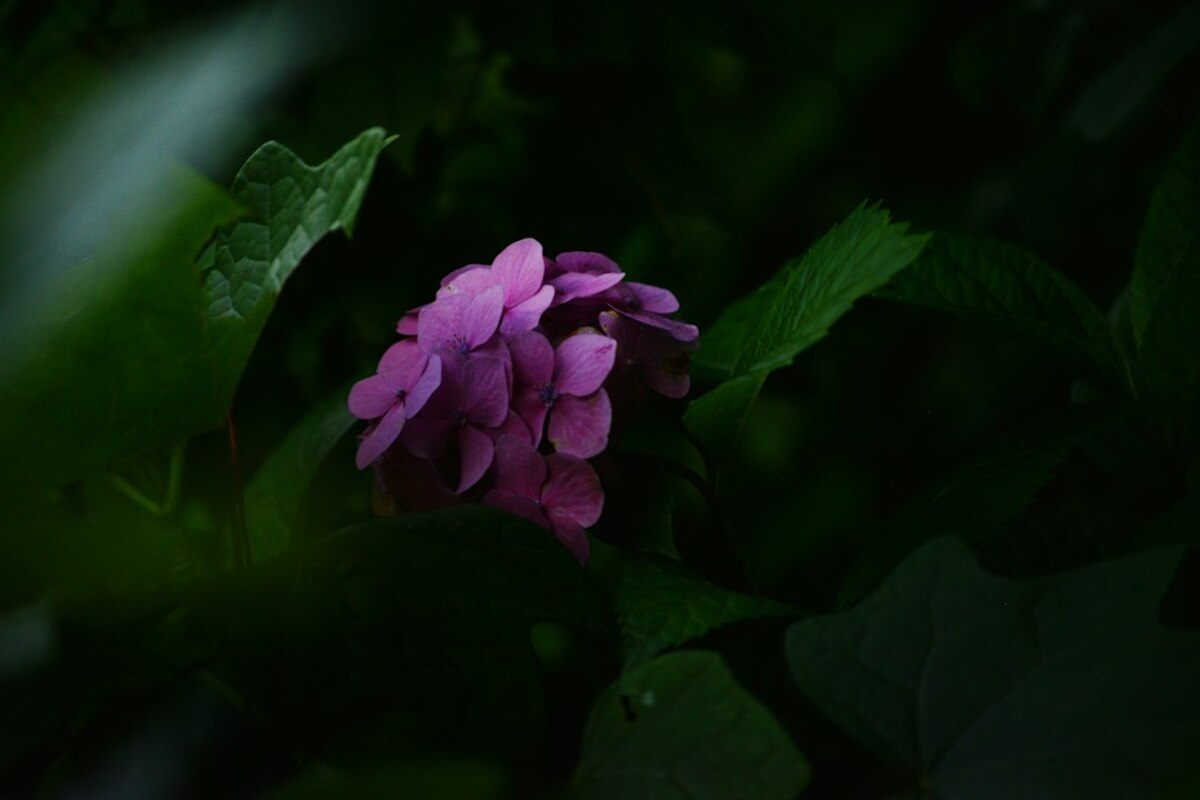
- Bigleaf hydrangeas (macrophylla) are the main “color-changing” type—many others won’t shift much at all.
- Color isn’t paint: it’s a chemistry story involving soil pH, aluminum, and what the plant can absorb.
- You can steer color gradually with common amendments, but consistency and patience matter more than one-time fixes.
Why hydrangeas change color (and which ones actually do)
You’ve probably seen it: one neighbor’s hydrangea is a deep, storybook blue, while another down the street blooms bubblegum pink—even though they look like the same plant. It can feel like gardening magic, but it’s closer to something you already understand from everyday life: how a tea bag makes water darker depending on what’s in the cup and how long it steeps. With hydrangeas, the “steeping” is the plant absorbing certain minerals—and the “what’s in the cup” is your soil chemistry.
First, an important reality check that saves a lot of frustration: not every hydrangea can play the color-change game.
- Most color-shifting happens in bigleaf hydrangeas (Hydrangea macrophylla) and, to a lesser extent, some mountain hydrangeas (Hydrangea serrata).
- White hydrangeas usually stay white. They may pick up slight tints as blooms age, but you can’t “turn them blue” with soil tricks.
- Panicle hydrangeas (Hydrangea paniculata) commonly shift from white to pink as flowers mature, but that’s an age-and-weather change, not soil pH control.
- Smooth hydrangeas (Hydrangea arborescens) are typically white/greenish and not pH-responsive in the same way.
If you have a bigleaf hydrangea—the classic round “mophead” or flatter “lacecap” type—then yes, your soil can influence whether the flowers lean pink, purple, or blue.
Here’s the simple version of the mechanism:
Color depends on aluminum availability, which is strongly affected by soil pH. In more acidic soil, aluminum becomes more available for the plant to take up, and the blooms tend to be bluer. In more alkaline soil, aluminum is less available, and blooms tend to be pinker. In the middle, you often get purples.
Think of soil pH like a dial that controls whether aluminum is “locked up” or “unlocked.” The plant isn’t changing its mind; it’s responding to what it can actually access underground.
| What you see | Typical soil direction | What’s happening underneath |
|---|---|---|
| Blue blooms | More acidic (often lower pH) | Aluminum is more available and more easily absorbed |
| Purple blooms | In-between | Some aluminum uptake; results vary by variety and consistency |
| Pink blooms | More alkaline (often higher pH) | Aluminum is less available; blooms skew pink |
One more twist: hydrangea variety matters. Some cultivars are genetically “strong blue” or “strong pink,” and they’ll resist dramatic changes. Others swing easily. If you’re trying to steer color and the plant barely budges, it may not be you—it may be the cultivar’s personality.

How to nudge blooms toward blue or pink (without turning your yard into a chemistry lab)
The internet makes this topic sound like you need a lab coat. You don’t. You need two things: a soil test (or at least a simple pH test kit) and a willingness to make changes slowly.
Imagine trying to change the temperature in an old house. If you crank the thermostat wildly, you get swings and discomfort. If you adjust it gradually and check the result, you get stable comfort. Hydrangea color is similar: it responds best to small, steady adjustments.
Step 1: Confirm what you’re growing. If the tag says Hydrangea macrophylla (bigleaf), you’re in the right arena. If it’s panicle or smooth, enjoy the plant’s natural color shifts and skip the pH chase.
Step 2: Check your soil pH. A basic garden center test kit can give you a ballpark. A lab test is even better (and often inexpensive through local extension services). You’re not just looking for a number—you’re looking for a starting point.
Step 3: Choose your direction.
- To encourage blue: gardeners commonly use soil acidifiers (often sulfur-based) and/or aluminum sulfate to increase aluminum availability. The goal is a gradually more acidic environment where the plant can take up aluminum.
- To encourage pink: gardeners commonly raise pH with garden lime (often dolomitic lime) to reduce aluminum availability.
Real-life scenario: You move into a rental with a bigleaf hydrangea out front. Last year’s photos show it blue; this year it’s more purple-pink. Nothing “went wrong”—the soil may have shifted slightly (new mulch, different watering habits, construction backfill, even repeated fertilizer use). Your job is to bring it back gently, not to force it instantly.
Timing matters. Color steering is usually done over months, not days. Many gardeners start adjustments in early spring and continue lightly through the growing season, always following product directions. If blooms already formed, you may not see a full change until the next bloom cycle.
Water can matter too. If you’re on hard (alkaline) water, repeated watering can nudge soil upward in pH over time, making pink more likely. If you’re chasing blue and you have very hard water, you’re basically rowing against a gentle current. You can still succeed, but consistency matters.
Avoid the “one big dump” approach. Overshooting pH can stress plants and harm soil life. If you take one idea from this article, make it this: hydrangea color is a long game.
Coffee grounds are a popular gardening myth for “instant acid.” In reality, they’re more like a mild organic amendment. They can help soil structure and add organic matter, but they’re usually not a reliable way to shift pH enough to change bloom color on their own.
Coffee grounds are a popular gardening myth for “instant acid.” In reality, they’re more like a mild organic amendment. They can help soil structure and add organic matter, but they’re usually not a reliable way to shift pH enough to change bloom color on their own.
Sometimes you’ll see a partial shift (especially on new growth), but a full transformation often takes time—because soil changes slowly and the plant’s uptake patterns vary across the season. Think “gradual steering,” not “overnight makeover.”
Sometimes you’ll see a partial shift (especially on new growth), but a full transformation often takes time—because soil changes slowly and the plant’s uptake patterns vary across the season. Think “gradual steering,” not “overnight makeover.”
Microclimates and micro-soils are real. One side might get different runoff, mulch depth, or watering. Even within a few feet, the pH and aluminum availability can vary—so you can get a “tie-dye” effect of pinks, purples, and blues.
Microclimates and micro-soils are real. One side might get different runoff, mulch depth, or watering. Even within a few feet, the pH and aluminum availability can vary—so you can get a “tie-dye” effect of pinks, purples, and blues.
The most common mistakes (and how to fix them)
Hydrangea color control is simple in principle, but a few predictable missteps trip people up. The good news: each one has a straightforward fix.
Mistake 1: Trying to change a hydrangea that can’t change.
If you have a panicle hydrangea and you keep adding soil acidifier hoping for “true blue,” you’ll mostly get… the same plant, possibly with stressed roots. Fix: confirm the species/cultivar. Bigleaf is the main candidate for pH-based color shifts.
Mistake 2: Assuming pH is the only factor.
pH is the headline, but aluminum availability is the engine. You can have acidic soil and still struggle if aluminum isn’t present/available in the right way. Conversely, you can have aluminum present but pH too high for uptake. Fix: aim for steady conditions; consider a soil test that includes pH and basic mineral levels.
Mistake 3: Making huge adjustments too fast.
Overcorrecting can stress the plant and lead to disappointing blooms. Fix: follow label directions, adjust gradually, and re-test after time has passed. Think “course corrections,” not “U-turns.”
Mistake 4: Forgetting the potting-mix effect for container hydrangeas.
Container hydrangeas can change faster because the soil volume is smaller—but that also means it’s easier to swing too far. Fix: treat containers like a small ecosystem. Light, measured changes and periodic pH checks are safer than heavy-handed doses.
Mistake 5: Confusing bloom aging with true color change.
Many hydrangeas naturally shift as blooms mature—especially in heat or late summer. A bloom can look “more pink” simply because it’s aging, not because your soil suddenly changed. Fix: compare new blooms to new blooms across seasons, not early-summer flowers to late-summer flowers.
A practical “weekend plan” that stays simple:
- Take a pH reading near the drip line (not right against the stem).
- Write it down with the date (phone note is fine).
- Decide: do you want bluer or pinker?
- Use one appropriate amendment (not three at once) and follow the label.
- Recheck in several weeks, then adjust again if needed.
Done this way, hydrangea color becomes one of the most satisfying “small experiments” you can run in a home garden. It’s hands-on, visible, and surprisingly forgiving—as long as you treat it like a slow dial, not a switch.