The 30‑Minute Home Visit: How to Prepare for a Tradesperson So the Job Goes Faster (and Cheaper)
A little prep can save real money. Use this easy checklist to make repairs smoother, avoid delays, and get clearer quotes.
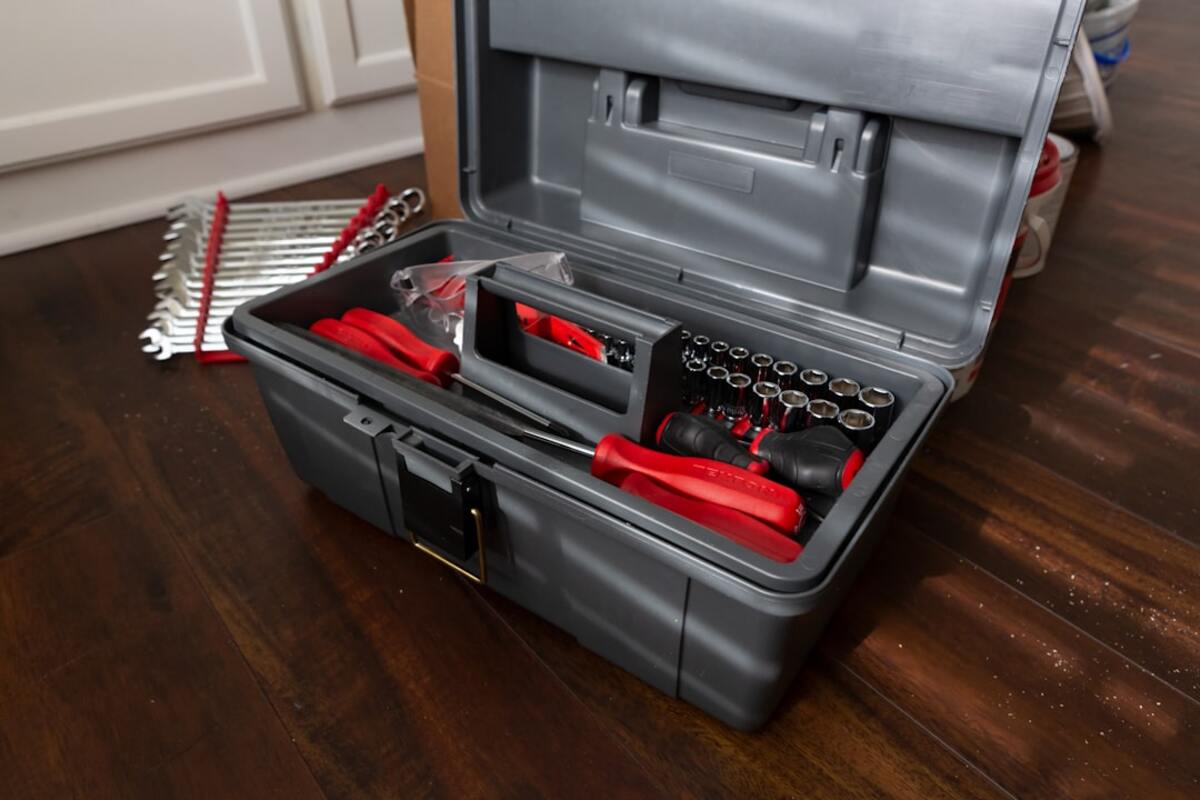
- Prep your space like a “mini worksite”: clear access, protect floors, and gather key info so no time is wasted.
- Ask a few simple questions up front (materials, timing, next steps) to avoid surprise costs and repeat visits.
- Use photos, notes, and a short “problem timeline” to get faster diagnoses and more accurate estimates.
Why a little preparation changes everything
Most people think a tradesperson’s time is spent almost entirely on tools-in-hand work. In reality, a surprising amount of a visit can disappear into “setup minutes”: finding the issue, moving furniture, locating shutoff valves, waiting for a parking spot, looking for a compatible part, or figuring out what happened last time. Those minutes matter because many callouts are priced by the hour or by the visit—and delays often trigger a second trip.
Think of it like ordering food: if you know what you want, you order once and eat. If you’re undecided, you ask questions, change your mind, and the whole process drags. Repairs are the same. The clearer the situation, the fewer “unknowns” the tradesperson has to price in.
A practical goal for any home visit is to make the first 10 minutes smooth: easy parking (if possible), easy entry, easy access to the problem area, and quick answers to basic questions. When that happens, you’re more likely to get (a) a faster fix, (b) a more confident quote, and (c) fewer “we’ll need to come back with X” moments.

Your quick pre-visit checklist (what to do in the hour before they arrive)
Below is a simple, real-world checklist you can use whether you’re expecting a plumber, electrician, heating engineer, handyman, or appliance repair technician. You don’t have to do everything—just pick what fits.
- Make a clear path: Move shoes, rugs that slip, laundry baskets, and small tables out of the hallway and the work area. If the issue is under a sink or behind a washing machine, clear the space now (not while they’re standing there).
- Protect “nice” surfaces: Put down an old towel or blanket near the work area. For dusty jobs (drilling, sanding), cover nearby items with a sheet. It’s not about distrust—it’s about avoiding awkward “who pays for the scratch?” moments.
- Secure pets and plan for kids: Even the friendliest dog can become a hazard when someone carries tools or opens doors. A separate room is ideal. For toddlers, consider a short walk or a play plan so the work can happen safely.
- Turn on lights and make outlets accessible: Replace a dead bulb in the area if you can. Clear access to at least one power outlet. Good visibility speeds up diagnosis and reduces accidents.
- Find the basics (even if you never use them): Know where the water stopcock/shutoff valve is, where the consumer unit/fuse box is, and where the gas shutoff is (if applicable). You don’t need to touch anything—just be able to point it out.
- Take 4–6 useful photos: One wide shot of the room, one close-up of the issue, and one of any model/serial label (boiler, appliance, fuse board, thermostat, shower unit). If the problem comes and goes, record a 10‑second video when it happens.
- Write a two-line “problem timeline”: Example: “Drip started last Tuesday. Worse when the washing machine is running. Tried tightening the tap handle; no change.” This prevents the story from turning into a 15‑minute mystery.
- Collect past paperwork if you have it: Old invoices, warranty info, or the last service report can be gold. If you don’t have them, no stress—just don’t spend 20 minutes searching while the clock runs.
If you want a simple way to remember the essentials, use the idea of a “mini worksite”: access, light, info, and safety.
| Task | Why it helps | Takes about |
|---|---|---|
| Clear access to the work area | Less time moving items; lower risk of damage | 5–10 minutes |
| Find shutoffs/fuse box location | Faster isolation in an emergency; smoother testing | 2 minutes |
| Take photos and model/serial info | Better diagnosis; correct parts on first visit | 5 minutes |
| Short problem timeline | Prevents guesswork; improves quote accuracy | 2 minutes |
A short scenario: Your radiator is cold. Without prep, the visit starts with “Which one? When did it start? Where’s the thermostat? Can I get to the valve?” With prep, you can say: “Bedroom radiator, started after we bled it Sunday. Boiler pressure is 0.8 bar. Here’s a photo of the thermostat setting.” That’s the difference between a confident fix and a drawn-out investigation.
What to ask during the visit (so you don’t get surprise costs later)
You don’t need to hover, and you don’t need technical vocabulary. A few plain-language questions can prevent misunderstandings—especially around parts, labour time, and follow-up visits. The trick is to ask early, before work is halfway done and everyone feels committed.
1) “What do you think is the most likely cause?”
This encourages a quick explanation of the diagnosis. You’re not asking for a lecture—just a sensible hypothesis. If there are multiple plausible causes, a good tradesperson will say so.
2) “What’s the plan of attack, step by step?”
You’re listening for a simple sequence: isolate power/water, inspect, test, repair/replace, retest, tidy. A clear plan is reassuring and helps you understand why something takes time.
3) “What could change the price today?”
This is one of the most useful questions because it surfaces uncertainties. Examples: hidden damage behind tiles, non-standard wiring, seized valves, or parts availability. You’re not demanding a guarantee—you’re asking where the risk is.
4) “If you need parts, can you show me the options?”
Often there are choices: basic vs. premium, repair kit vs. whole unit, branded vs. compatible. Seeing options helps you avoid the feeling of being upsold. It also lets you choose based on longevity, not just the cheapest immediate fix.
5) “Will this require a return visit, and if so, what should I do before then?”
A return visit isn’t automatically bad—sometimes it’s the sensible route. But you can reduce repeat delays by asking what you can do in the meantime (for example, keep an area dry, don’t use a particular circuit, or have a certain spare part ready).
Only if you’re confident you’re buying the exact right part and it won’t void a warranty. For many jobs, it’s better to share photos/model numbers beforehand and let the tradesperson bring what’s most likely to fit. Wrong parts can cost more in time and frustration than you’ll save.
Only if you’re confident you’re buying the exact right part and it won’t void a warranty. For many jobs, it’s better to share photos/model numbers beforehand and let the tradesperson bring what’s most likely to fit. Wrong parts can cost more in time and frustration than you’ll save.
No. It’s normal to confirm callout fees, hourly rates, and how parts are charged. The polite version is: “Before you begin, can we just confirm how pricing works today?”
No. It’s normal to confirm callout fees, hourly rates, and how parts are charged. The polite version is: “Before you begin, can we just confirm how pricing works today?”
Offer quick logistics: “Want me to show you the stopcock/fuse box?” and “There’s an outlet here.” Then give space. Staying available for questions is more helpful than watching every step.
Offer quick logistics: “Want me to show you the stopcock/fuse box?” and “There’s an outlet here.” Then give space. Staying available for questions is more helpful than watching every step.
A short scenario: A kitchen tap is leaking. You ask, “What could change the price?” The plumber says: “If the isolation valves under the sink are seized, I’ll need to replace them, which adds parts and time.” Now you’re not shocked if the fix becomes slightly bigger than expected—and you can decide whether to proceed.
Preparation isn’t about being the “perfect customer.” It’s about removing friction. When the work area is accessible, the information is ready, and the expectations are clear, the visit feels calmer and the outcome tends to be better—whether the job is a quick repair or the start of a larger project.