Rug Layering: The Simple Trick That Makes a Room Feel Finished (and Quieter)
Layering rugs isn’t just a trend—it’s a practical way to add warmth, define zones, and cut noise. Here’s how to do it without the “messy pile” look.
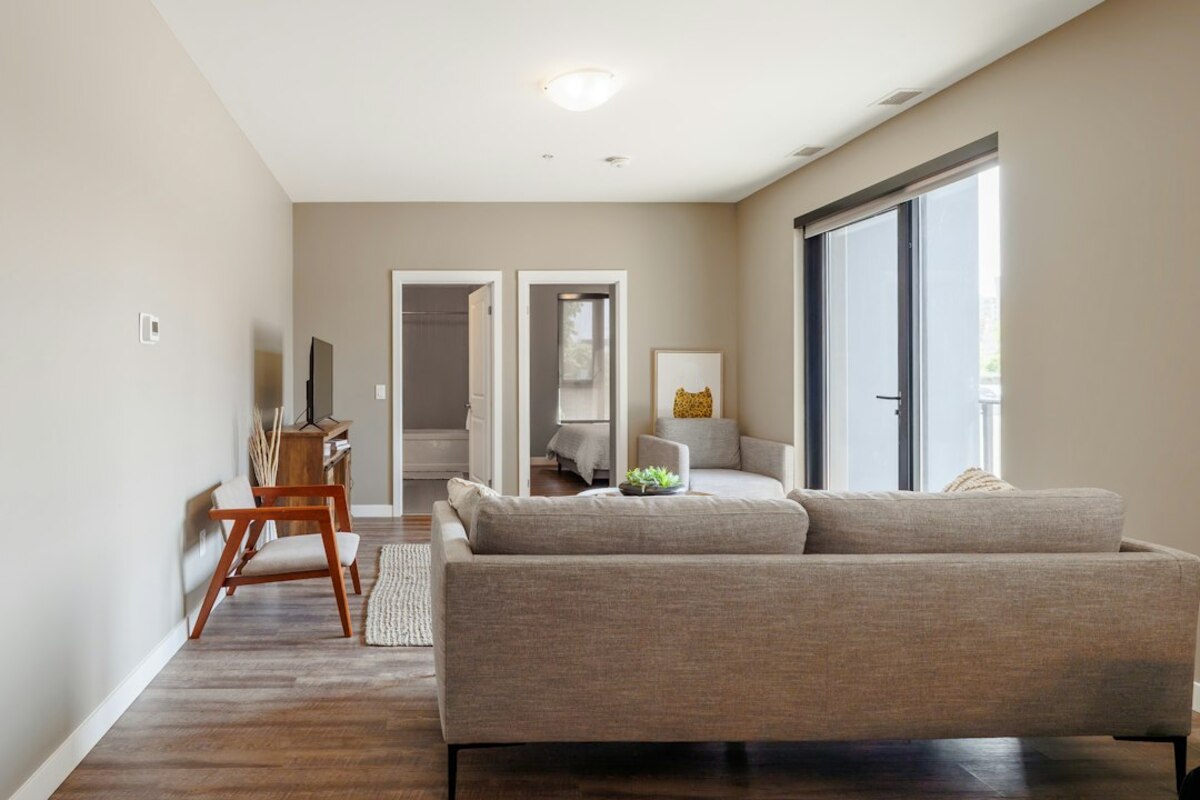
- Use a flat, larger base rug to calm the room, then add a smaller top rug for color and personality
- Follow easy sizing rules so layers look intentional (and furniture sits comfortably)
- Choose the right textures and rug pads to prevent slipping, curling corners, and tripping
Why people are layering rugs right now (and why it works in real homes)
If you’ve ever looked at a room and thought, “Everything is fine… so why does it still feel unfinished?” there’s a good chance the floor is the missing piece. Rug layering—placing one rug over another—has become a go-to solution because it fixes several everyday problems at once: the room feels warmer, seating areas look more “anchored,” and sound softens immediately.
Think of it like getting dressed. A room with only hard flooring can feel like a plain T-shirt—totally functional, but sometimes a little bare. A single rug is like adding a jacket. Layering rugs is like adding a scarf too: it brings contrast, texture, and a sense that someone made deliberate choices.
It’s also a practical trend. Many homes now double as offices, gyms, and hangout spaces. Layering makes it easier to create “zones” without building walls. For example: a large, neutral base rug can define the living room footprint, while a smaller patterned rug on top highlights the conversation area—or even separates a desk corner from the sofa zone.
And then there’s noise. Hard floors bounce sound around. A layered setup adds more soft material to absorb it, which can make a room feel calmer. You may not notice it as “soundproofing,” but you will notice fewer sharp echoes and a softer overall feel—especially if you live in an apartment or have high ceilings.

The easiest formula: one calm base + one personality piece
The most common mistake with rug layering is treating it like a random pile of textiles. The goal is for it to look intentional—like it’s always been that way. The easiest way to get there is to assign each rug a job:
- The base rug does the heavy lifting: it sets the size of the zone, adds softness underfoot, and keeps the room from feeling like furniture is “floating.”
- The top rug adds style: color, pattern, texture, or a “wow” moment that would feel too loud if it covered the whole floor.
A simple living-room scenario: You have a sofa, coffee table, and two chairs. The room feels a bit echo-y, and the seating area looks slightly lost on the hardwood. You add a large, flatwoven jute or low-pile neutral rug under the front legs of the sofa and chairs. Immediately, the space looks defined. Then you add a smaller vintage-style patterned rug on top, centered under the coffee table. The room now has a focal point—and it feels quieter.
Layering is also a smart workaround when you love a rug that’s too small. Instead of forcing a small rug to pretend it’s “the main rug” (and making the whole room feel underscaled), you let it be the top rug. It looks curated rather than incorrect.
Quick sizing rules that make layers look planned
| Room situation | Base rug goal | Top rug goal |
|---|---|---|
| Living room seating area | At least front legs of main seating on the rug | Centered under coffee table; smaller on all sides |
| Bedroom | Extends beyond bed sides to land on something soft | Optional accent at foot of bed or side layer for texture |
| Home office corner | Covers chair movement zone (or sits under desk + chair) | Small layer that signals “workspace” visually |
| Dining area | Big enough for chairs to stay on rug when pulled out | Usually skip (crumbs + chair drag); if layered, keep top rug very flat |
When in doubt, remember this visual cue: the top rug should look like an accent, not like it’s fighting for control. Leaving a clear border of base rug visible on all sides is what makes it feel styled instead of accidental.
Texture pairings that rarely fail (because they create contrast you can see and feel):
- Flatweave base + plush top: A low-profile base rug (jute, sisal-look, dhurrie) plus a softer top rug makes the top layer feel special.
- Neutral base + patterned top: If the base is calm, you can be bolder on top without overwhelming the room.
- Solid base + textured top: Think subtle: a chunky weave, a faded vintage look, or a high-low pile that adds depth even in similar colors.
Color shortcut: pick one color that appears in both rugs (even a tiny thread in the pattern). That shared color is like a handshake between layers—it helps the whole setup feel coordinated.
Keeping layered rugs from sliding, buckling, or looking “lumpy”
The secret to beautiful rug layering isn’t just choosing the right rugs—it’s making sure they behave. Sliding, curling corners, or a bumpy surface can ruin the look fast (and it can become a tripping hazard). A few small setup decisions make everything easier.
1) Use a rug pad like it’s part of the design
If you only do one thing, do this: put a quality rug pad under the base rug. It keeps the base from creeping forward, adds cushioning, and reduces friction that can cause rippling. For layered setups, this matters even more because the top rug may move when people walk across it.
If the top rug slides over the base, you have a couple of options:
- Non-slip corner grips between the two rugs (especially helpful for smaller top rugs).
- Double-sided rug tape (best for low-pile rugs; be careful on delicate flooring and always test first).
- A thin pad for the top rug if it’s especially slippery or lightweight (just avoid making the center too thick compared to the edges).
2) Avoid “two fluffy rugs” unless you love the cloud look
Two thick, plush rugs stacked can feel luxurious, but it often looks bulky and creates a wobbly surface—especially under a coffee table. A flatter base is usually the easiest foundation. The top rug can be medium pile, but if both are thick, furniture may wobble and corners can curl.
3) Place furniture to hold the layers in place
You don’t need to pin down every inch. Often, positioning is enough. In a living room, placing the coffee table over part of the top rug naturally keeps it from shifting. Similarly, letting the front legs of a sofa or chairs sit on the base rug helps “lock” the foundation in place.
4) Watch the “door test” and the “chair test”
- Door test: If a door catches on the edge of the base rug or top rug, that layer will constantly move and fray. Consider a lower pile base, a slightly smaller layer, or repositioning.
- Chair test: If you roll an office chair or frequently slide dining chairs, a thick top rug will get chewed up quickly. In those zones, keep the top rug very flat—or skip layering there.
Yes—and it’s one of the best ways to make rental carpet feel more personal. Use a low-pile or flatwoven rug so it doesn’t feel like a mattress on a mattress. If the carpet is plush, choose a top rug with a bit of structure (flatweave, vintage-style, or a rug with a tighter weave) so it lies flatter.
Yes—and it’s one of the best ways to make rental carpet feel more personal. Use a low-pile or flatwoven rug so it doesn’t feel like a mattress on a mattress. If the carpet is plush, choose a top rug with a bit of structure (flatweave, vintage-style, or a rug with a tighter weave) so it lies flatter.
First, try rotating the rug (some rugs relax differently depending on how they were rolled). Then use corner grips or a small amount of rug tape between the layers. If the rug is very lightweight, placing a coffee table partly on it can also help flatten it naturally over time.
First, try rotating the rug (some rugs relax differently depending on how they were rolled). Then use corner grips or a small amount of rug tape between the layers. If the rug is very lightweight, placing a coffee table partly on it can also help flatten it naturally over time.
Let one rug be the “quiet” one. A neutral base (solid, subtle weave) gives your eyes a place to rest, so the top rug can have pattern. If both have strong patterns, keep them in the same color family and vary scale—one big, one small—so they don’t compete.
Let one rug be the “quiet” one. A neutral base (solid, subtle weave) gives your eyes a place to rest, so the top rug can have pattern. If both have strong patterns, keep them in the same color family and vary scale—one big, one small—so they don’t compete.
A quick shopping-and-setup checklist you can screenshot mentally:
- Pick a base rug that’s big enough to define the zone.
- Choose a top rug that adds personality (pattern, color, or texture).
- Make sure the base rug shows as a visible border around the top rug.
- Add a non-slip pad under the base; add grips if the top rug moves.
- Do the door test and chair test before committing.
Once you see how much softer and more “pulled together” a layered setup feels, you start noticing floors the way you notice lighting: it quietly controls the mood. And the nice part is that layering doesn’t require a renovation—just a little strategy and a willingness to try one arrangement, then nudge it a few inches until it clicks.